Selecting Optimal Materials for Your Plumbing Needs
Replacing sewer pipes in your home or business requires careful planning and material selection. Choosing the right material is crucial as it impacts the longevity, cost, and efficiency of your plumbing system. With numerous options available, understanding the benefits and limitations of each can help you make an informed decision. This guide explores different materials used in sewer pipe systems, their advantages, potential challenges, and essential factors to consider when selecting the best option.
The Importance of Material Selection
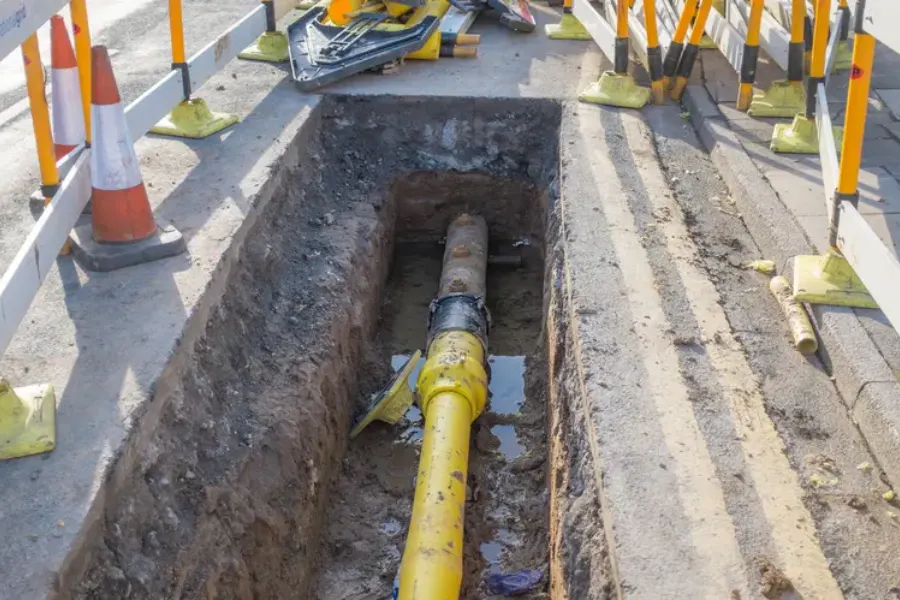
The material you choose for sewer pipe replacement affects more than just immediate function. It’s a long-term investment that influences maintenance needs, durability, and repair costs over time. Modern technology provides various options like PVC, cast iron, and clay. Each has its own set of features that cater to different environments and usage requirements.
Common Materials Used in Sewer Pipes
Sewer pipe replacement often involves choosing between popular materials such as PVC, which offers resistance to chemical corrosion and is lightweight yet strong. Alternatively, cast iron is known for its robustness and sound-dampening qualities but may require more maintenance due to rust. Another traditional choice is clay, offering excellent resistance to acidic substances though being more fragile under high pressure.
Factors Influencing Material Choice
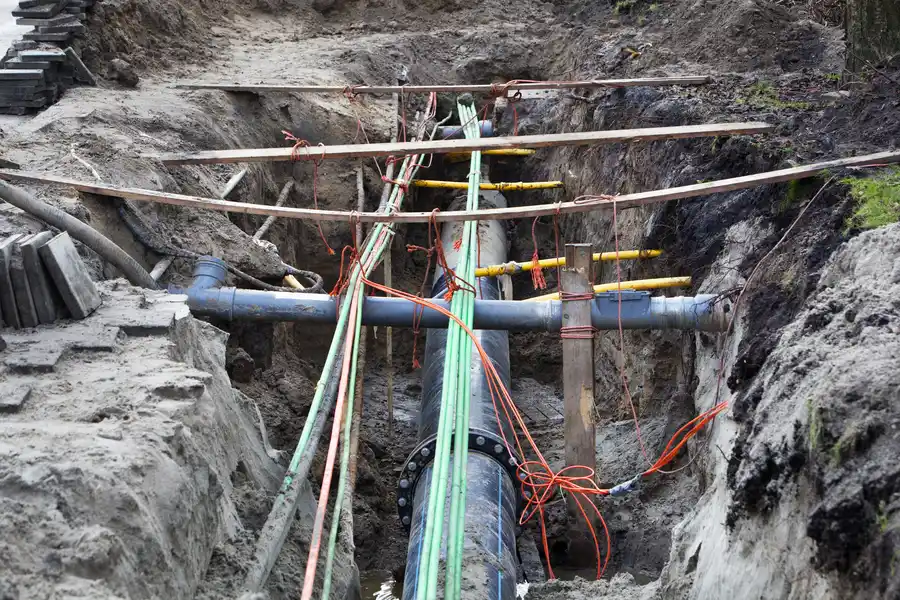
When deciding on a material for sewer pipe replacement, it’s essential to consider several factors. These include the soil conditions around your property, exposure to root invasion, and local building codes. The financial aspect also plays a role; while some materials might be cheaper initially, they could incur higher maintenance costs down the line. Consider all these elements to ensure you’re making a sustainable choice.
Benefits of PVC for Sewer Pipes
PVC is widely favored for modern plumbing due to its affordability and ease of installation. It’s resistant to many chemical compounds found in wastewater, ensuring long-lasting performance. Furthermore, PVC’s smooth interior prevents clogging by enabling efficient flow of waste materials. Its flexibility also makes it less prone to cracking during ground shifts or temperature changes.
- Lightweight and easy to install
- Resistant to chemicals and corrosion
- Cost-effective with low maintenance demands
- Flexible enough to withstand environmental stressors
Drawbacks of Cast Iron Pipes
While cast iron pipes are resilient against physical damage and offer excellent noise reduction properties, they have notable downsides. Their susceptibility to rust means regular inspections are necessary to prevent leaks or deterioration. Additionally, they are heavier and harder to install compared to modern alternatives like PVC.
- Heavier and may require additional support during installation
- Prone to rust without proper coating
- Higher labor costs due to increased handling complexity
- Potentially shorter lifespan if exposed to corrosive environments
Choosing Between Clay and Plastic Options
Clay pipes boast impressive resistance to chemical breakdowns but lack the structural integrity needed under heavy loads or shifting grounds. On the other hand, plastic options like HDPE provide both durability and flexibility, making them ideal for areas with unstable soils or frequent freeze-thaw cycles.
Expert Tips for Decision Making
Consulting with professionals can streamline the process of selecting the appropriate material for sewer pipes. Experts recommend assessing not just current needs but future scenarios that might affect your plumbing system. A thorough evaluation ensures that your chosen material will stand the test of time while meeting safety standards.
Make Informed Decisions for Your Plumbing System
If you’re considering updating your sewer system, think about what aligns best with your budget and environmental conditions. Located in Mountain View, CA, I offer expert advice and solutions tailored to your specific needs. Reach out today at (408) 361-0629 to learn how Walter Friendly Plumbing can assist you in achieving a reliable and efficient plumbing infrastructure.